Personalized Ayurvedic Care for Psoriasis
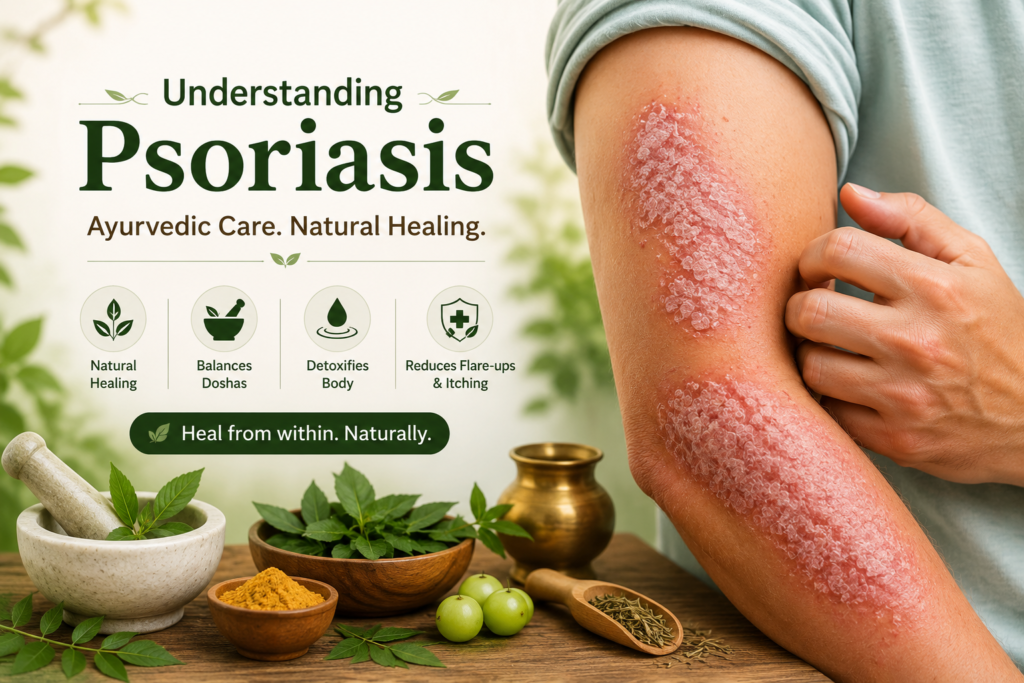
Psoriasis is a long-term skin condition that can cause red, itchy, dry and scaly patches on different parts of the body. For many people, it affects not only the skin but also their confidence, daily routine and quality of life. The symptoms may improve for some time and then return, making the condition frustrating to manage.
At Dr. Sachin Rewar’s Ayurvedic Clinic in Faridabad, we believe that every person with psoriasis is different. Instead of following a one-size-fits-all approach, we carefully evaluate your symptoms, medical history, body constitution (Prakriti), lifestyle and possible triggering factors before planning your Ayurvedic treatment. Our aim is to support healthier skin, improve overall well-being and reduce factors that may contribute to recurrent flare-ups through personalised Ayurvedic care, diet and lifestyle guidance.
Whether you have recently developed psoriasis or have been living with it for years, we are committed to providing compassionate, individualised Ayurvedic care based on classical Ayurvedic principles and modern clinical understanding.
What is Psoriasis?
Psoriasis is a chronic skin condition in which the body’s immune system speeds up the growth cycle of skin cells. As a result, thick, dry and scaly patches may develop on different parts of the body such as the elbows, knees, scalp, hands, feet or lower back. The condition is not contagious, which means it does not spread from one person to another through touch.
The symptoms and severity of psoriasis vary from person to person. Some people may experience only a few small patches, while others may have widespread skin involvement along with itching, burning or discomfort. Stress, certain infections, weather changes and other individual factors may contribute to flare-ups in some people.
From an Ayurvedic perspective, psoriasis is viewed as a disorder involving an imbalance in the body’s natural functioning. Along with medicines, Ayurveda places emphasis on identifying individual triggers, improving digestion and metabolism (Agni), maintaining a balanced lifestyle and following appropriate dietary habits as part of a comprehensive treatment plan.
Common Symptoms of Psoriasis
People with psoriasis may experience different symptoms depending on the type and severity of the condition. Some individuals have only a few small patches, while others may have more widespread skin involvement.
Common signs and symptoms of psoriasis may include:
- Red, raised patches of skin covered with silvery-white scales
- Dry, cracked skin that may sometimes bleed
- Itching, burning or irritation over the affected areas
- Thickened or rough skin plaques
- Scalp scaling that may resemble persistent dandruff
- Nail changes such as pitting, thickening or discoloration
- Joint pain or stiffness in some individuals (psoriatic arthritis)
Not every person experiences all of these symptoms. The severity and pattern may vary from one individual to another, and symptoms may improve or worsen over time.
Why Does Psoriasis Develop?
The exact cause of psoriasis is not completely understood, but it is believed to result from a combination of genetic, immune and environmental factors. In psoriasis, the immune system becomes overactive and speeds up the normal growth cycle of skin cells. Instead of shedding naturally, skin cells accumulate rapidly, leading to thick, scaly patches.
Certain factors may trigger or worsen psoriasis in susceptible individuals, including:
- Family history of psoriasis
- Emotional stress or anxiety
- Skin injuries such as cuts, burns or insect bites
- Certain infections, especially throat infections
- Cold and dry weather
- Smoking and excessive alcohol consumption
- Some medications in susceptible individuals
From an Ayurvedic perspective, psoriasis is considered a condition that develops due to an imbalance in the body’s natural functioning. Factors such as improper dietary habits, disturbed digestion (Agni), stress, inadequate sleep and an unhealthy lifestyle may contribute to this imbalance. Therefore, Ayurvedic management focuses not only on the skin but also on improving overall health through personalised medicines, appropriate diet and lifestyle guidance.
Understanding your individual triggers is an important step in planning a personalised Ayurvedic treatment approach.
👨⚕️ Doctor’s Note
Every patient with psoriasis is different. The severity, triggers and treatment approach vary from person to person. A personalised evaluation helps in planning the most appropriate Ayurvedic management based on an individual’s condition, lifestyle and health needs.
Types of Psoriasis
Psoriasis is not the same in every person. Based on its appearance and the areas of the body affected, doctors generally classify psoriasis into different types.
- Plaque Psoriasis – The most common type, causing raised red patches covered with silvery-white scales.
- Scalp Psoriasis – Affects the scalp and may resemble persistent dandruff.
- Nail Psoriasis – May cause pitting, thickening or discoloration of the nails.
- Guttate Psoriasis – Usually appears as small, drop-shaped spots, often after certain infections.
- Inverse Psoriasis – Develops in skin folds such as the armpits, groin or under the breasts.
- Pustular Psoriasis – A less common type characterised by pus-filled blisters on inflamed skin.
Although these are the common types of psoriasis, many people may have overlapping features. A proper medical evaluation helps in identifying the type of psoriasis and planning the most appropriate treatment approach.
When Should You Consult an Ayurvedic Doctor?
If psoriasis symptoms persist, keep recurring or begin to affect your daily life, it is advisable to seek professional medical advice. Early evaluation helps in understanding the severity of the condition, identifying possible triggers and planning an individualised treatment approach.
- The skin patches continue to increase or spread.
- Itching, burning or discomfort begins to interfere with daily activities.
- The condition keeps recurring despite previous treatment.
- You notice changes in your nails or develop joint pain or stiffness.
- You are looking for a holistic treatment approach that includes personalised Ayurvedic care, dietary guidance and lifestyle modifications.
Seeking timely advice allows your condition to be assessed properly and helps in planning an individualised treatment strategy based on your symptoms, overall health and lifestyle.
Our Ayurvedic Approach to Psoriasis
In Ayurveda, psoriasis is not viewed merely as a skin disorder but as a reflection of internal imbalances. At our clinic, every patient undergoes a detailed assessment that includes understanding the individual’s Prakriti (body constitution), Vikriti (current imbalance), symptoms, lifestyle, dietary habits and possible triggers. This personalised evaluation helps us plan an Ayurvedic management approach tailored to each patient’s needs.
The assessment may also include Nadi Pariksha (pulse examination) and Ashtavidha Pariksha (eightfold Ayurvedic examination), along with a careful review of digestion (Agni), bowel habits, sleep, stress levels and other factors that may contribute to the condition. Based on these findings, a personalised Ayurvedic treatment plan is prepared for each individual.
Treatment is planned after considering the nature and severity of psoriasis, the patient’s overall health and associated medical conditions. Depending on the individual’s needs, the management plan may include classical Ayurvedic medicines, appropriate dietary guidance, lifestyle modifications and regular follow-up to monitor progress and make necessary adjustments over time.
Why Choose Ayurveda for Psoriasis?
Many people with psoriasis look for a treatment approach that focuses not only on relieving skin symptoms but also on improving overall health and well-being. Ayurveda emphasises an individualised approach by considering factors such as Prakriti, lifestyle, dietary habits and overall body balance. The goal is to support long-term skin health while addressing factors that may contribute to recurring symptoms.
- Personalised treatment based on the individual’s symptoms and body constitution.
- Focus on identifying possible triggers rather than treating skin symptoms alone.
- Use of classical Ayurvedic medicines prescribed according to the patient’s condition.
- Guidance on diet and lifestyle to support overall health and skin wellness.
- Regular follow-up and treatment adjustments based on the patient’s progress.
Along with appropriate Ayurvedic treatment, healthy lifestyle practices and suitable dietary habits play an important role in the overall management of psoriasis. While recommendations may vary from person to person, maintaining good digestion, managing stress and following a balanced daily routine can help support overall skin health.
- Eat a balanced and freshly prepared diet as advised by your Ayurvedic physician.
- Avoid foods that seem to trigger flare-ups, if you have identified any personal triggers.
- Maintain regular sleep and meal timings to support overall health.
- Manage stress through relaxation techniques, yoga or meditation whenever appropriate.
- Stay physically active according to your age and overall health.
- Follow your prescribed treatment regularly and attend follow-up consultations as advised.
Frequently Asked Questions (FAQs)
Psoriasis is generally considered a chronic skin condition with periods of improvement and flare-ups. The aim of Ayurvedic treatment is to manage the condition through an individualised approach that may help reduce symptoms, improve quality of life and support long-term skin health. The response to treatment varies from person to person.
Can diet help in managing psoriasis?
Yes, diet and lifestyle are considered important aspects of the overall management of psoriasis. In Ayurveda, dietary recommendations are personalised rather than the same for everyone. Your Ayurvedic physician may suggest suitable dietary changes based on your Prakriti, digestion (Agni), symptoms and overall health.
How long does Ayurvedic treatment for psoriasis take?
The duration of treatment varies from person to person and depends on factors such as the severity of psoriasis, its duration, the individual’s overall health and response to treatment. Since psoriasis is a chronic condition, regular follow-up and adherence to the prescribed treatment plan are important for achieving the best possible outcome.
Is psoriasis contagious?
No. Psoriasis is not contagious and cannot spread from one person to another through physical contact, sharing food, clothing or any other form of casual interaction. It is a chronic autoimmune-related skin condition, not an infectious disease.
Can stress make psoriasis worse?
Yes. Emotional stress is recognised as one of the common factors that may trigger or worsen psoriasis in some individuals. Along with appropriate treatment, stress management, adequate sleep and a healthy lifestyle may help support overall skin health.
Can children develop psoriasis?
Yes. Psoriasis can affect people of all age groups, including children. Early evaluation by a qualified healthcare professional helps in understanding the condition and planning an age-appropriate treatment approach.
Do all psoriasis patients have the same symptoms?
No. Psoriasis symptoms vary from person to person. Some individuals may have mild skin patches, while others may experience more extensive involvement, scalp psoriasis, nail changes or joint-related symptoms. Treatment is therefore planned according to each individual’s condition.
Can psoriasis affect the nails and joints?
Yes. In some people, psoriasis may involve the nails, leading to pitting, thickening or discoloration. Others may develop psoriatic arthritis, which can cause joint pain, swelling and stiffness. Early assessment is important if these symptoms develop.
When should I consult an Ayurvedic doctor for psoriasis?
You should consider seeking medical advice if psoriasis symptoms persist, keep recurring, spread to new areas or begin to interfere with your daily activities. An early evaluation allows for a personalised treatment plan based on your symptoms, lifestyle and overall health.
Can Ayurveda be used along with modern medical treatment?
In some situations, Ayurveda may be used alongside conventional medical care, but this should always be done under the guidance of qualified healthcare professionals. Never stop or change prescribed medicines without consulting your treating doctor.
Why Choose Dr. Sachin Rewar for Psoriasis Treatment in Faridabad?
Choosing the right doctor is an important part of managing a chronic condition like psoriasis. At our clinic, every patient receives a detailed consultation, personalised Ayurvedic assessment and an individualised treatment plan based on their symptoms, Prakriti, lifestyle and overall health. Our focus is on providing ethical, evidence-informed Ayurvedic care with regular follow-up and patient education.
- Experienced Ayurvedic consultation with adequate time for understanding your health concerns.
- Personalised treatment plans prepared according to your symptoms, Prakriti and overall health.
- Classical Ayurvedic medicines prescribed according to individual requirements.
- Guidance on diet, lifestyle and follow-up to support long-term management.
- Compassionate patient care with emphasis on clear communication and informed decision-making.
Book Your Ayurvedic Consultation
If you are experiencing persistent psoriasis symptoms or looking for a personalised Ayurvedic approach, you are welcome to schedule a consultation with Dr. Sachin Rewar. A detailed evaluation helps in understanding your condition, identifying possible contributing factors and planning an individualised treatment strategy based on your health needs. We welcome patients from Faridabad, Delhi NCR and nearby regions seeking evidence-informed Ayurvedic care.
Why Patients Choose Dr. Sachin Rewar
Patients choose Dr. Sachin Rewar for an approach that combines the principles of classical Ayurveda with personalised patient care. Every consultation focuses on understanding the individual’s health concerns in detail, followed by a customised treatment plan, appropriate guidance and regular follow-up to support long-term health and well-being.
- Individualised Ayurvedic assessment for every patient.
- Adequate consultation time to understand symptoms, medical history and lifestyle.
- Classical Ayurvedic medicines prescribed according to individual needs.
- Evidence-informed Ayurvedic practice with a patient-centred approach.
- Dietary and lifestyle guidance to complement treatment.
- Regular follow-up to monitor progress and modify treatment whenever required.
- Compassionate and ethical patient care with emphasis on patient education.
If you have psoriasis and are looking for a personalised Ayurvedic treatment approach, schedule a consultation to receive an individualised assessment and treatment plan based on your condition and health needs.
Medical Disclaimer
The information provided on this page is intended for educational and informational purposes only and should not be considered a substitute for professional medical advice, diagnosis or treatment. Every individual is different, and the suitability and response to Ayurvedic treatment may vary from person to person. Patients are advised to consult a qualified healthcare professional or a registered Ayurvedic physician for an appropriate evaluation and personalised treatment plan. Do not ignore, delay or discontinue any prescribed medical treatment without consulting your treating doctor.